Applications

Industries That Specify Solmax Containment

Visual stories from mining, waste, water, and energy projects where geomembrane performance decides whether operations stay online.

Sector cards built around real duty cycles

Each card pairs a field image with the stresses that drive liner selection—chemical load, UV exposure, traffic, and hydraulic head—so teams can shortlist products before requesting a technical data sheet.

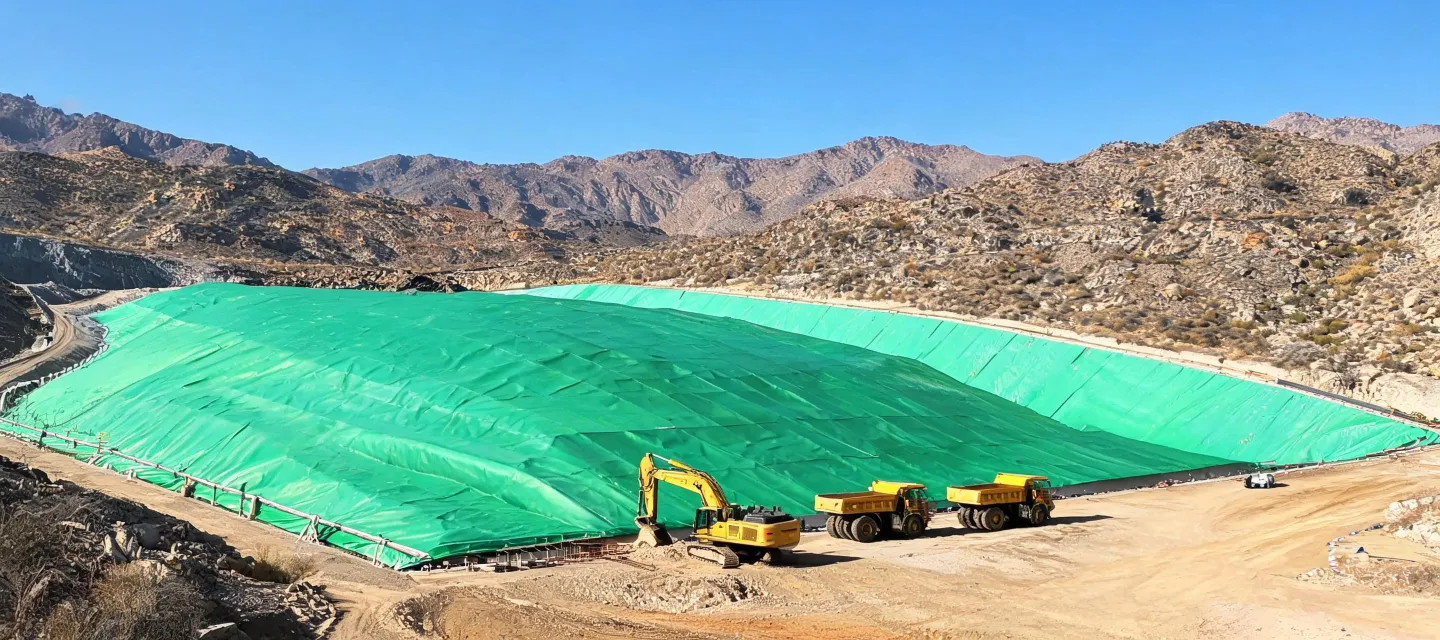
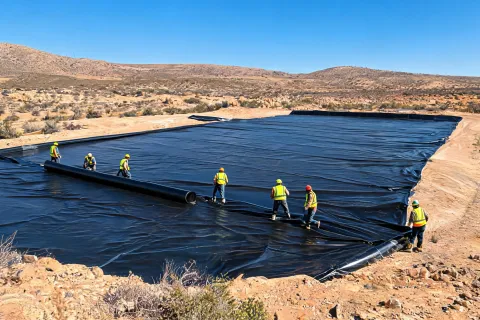
Heap leach pad geomembrane installation

Mining & heap leach

Pregnant leach solution pads demand chemical resistance, high interface friction, and compressive strength under stacked ore. Solmax textured HDPE systems are specified when clay alone cannot meet leakage criteria or construction schedules.
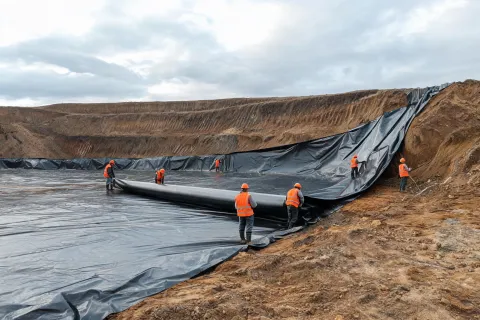
Municipal landfill cell lining project

Municipal solid waste

Primary and secondary barriers protect groundwater from leachate. Owners track moisture vapor transmission, seam QC records, and warranty period language as tightly as daily cover operations.

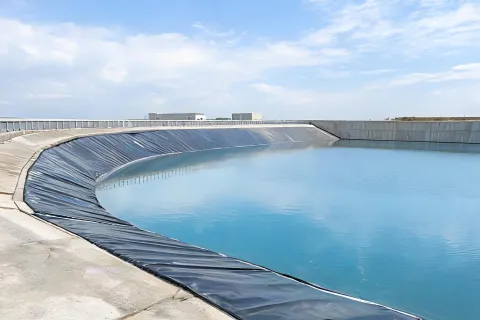
Potable water reservoir with geomembrane liner

Water storage & conveyance

Reservoirs and canals need low permeability, NSF/ANSI 61 pathways where applicable, and UV stability on freeboard slopes that remain exposed for seasons at a time.

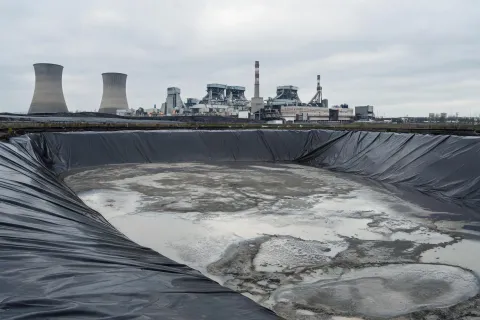
Industrial ash pond containment lining

Energy & industrial basins

Ash ponds, tank farm secondary containment, and process lagoons combine chemical exposure with inspection access. Dimensional stability under thermal cycling keeps seams from overstressing.

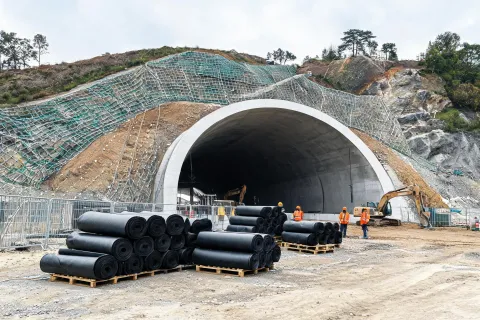
Civil tunnel portal with waterproofing membrane staging

Civil infrastructure

Transit yards, stormwater basins, and cut-off walls use geosynthetic barriers when soil permeability and schedule risk make conventional clay liners impractical.

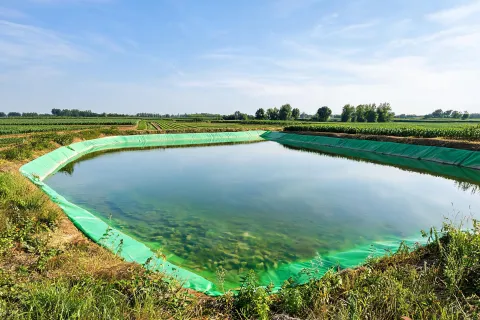
Agriculture irrigation lagoon lined with geomembrane

Agriculture & irrigation

Irrigation lagoons and manure storage cells prioritize puncture resistance from livestock traffic and long service life expectancy under continuous UV load.

50,000+Containment projects supported
90+Countries with field coverage
400Mm² annual production capacity
4Core certification frameworks

Across these sectors, two selection disputes keep returning. First: natural soil barriers versus engineered geomembranes—owners must weigh borrow-source proximity against leakage criteria and construction duration. Second: factory-prefabricated panel kits versus traditional on-site welding—prefabrication speeds QC and reduces weather risk, while field welding preserves design flexibility for irregular cell geometries. Solmax equips both conversations with thickness guidance, UV stability assumptions, and embodied carbon worksheets so procurement is not decided by habit alone.

Limitation note: geomembranes do not correct soft subgrades, cannot replace structural slabs, and will not meet multi-decade exposed service life expectancy without stabilizer packages sized for local solar load. Domestic lot availability versus imported specialty textures is a third schedule trade-off when tariff and freight windows compress installation seasons.

Sector shortlists typically start from thickness and texture: 1.5–2.0 mm smooth/textured HDPE for many MSW primary liners; heavier stacks and higher asperity when heap leach ore traffic elevates puncture and interface shear demand. Water projects filter NSF/ANSI 61-listed grades where potable contact applies; mining grades stay outside that pathway. Green-premium debates attach recycled content percentage and embodied carbon worksheets when owners ask—code-minimum constructions remain available when lifecycle ROI does not justify the uplift. Spec packages cite ASTM D6693 / D4833 / D6392 and GRI-GM13/GM17 tables so CQA teams verify the same numbers procurement priced.

Match your industry duty cycle to a Solmax liner package

Tell us the sector, chemistry, and cover schedule. We will recommend a geomembrane family and send the supporting data sheets.